


Ethiopia has one of the largest economies in East Africa. Finance and business play an important role in daily life across the country. Individuals use banking services to save money, receive salaries, and manage expenses. Businesses rely on loans and investment to grow operations and create jobs.
This guide explains Ethiopia’s finance and business environment in a clear and simple way. It focuses on banking, loans, investment options, and financial planning. The goal is to help readers understand how system works and how to make informed decisions.
This content is educational only. It does not offer financial advice or guarantees.
Ethiopia’s Financial System Overview
Ethiopia’s financial system is mainly bank-based. Most financial activities pass through regulated banks and licensed institutions. Capital markets are still developing.
The system includes:
- The National Bank of Ethiopia
- Commercial banks
- Microfinance institutions
- Insurance companies
- Payment and mobile money services
Each institution has a defined role. Regulations aim to maintain stability and protect consumers.
Role of the National Bank of Ethiopia
The National Bank of Ethiopia is the country’s central bank. It supervises financial institutions and manages monetary policy.
Its responsibilities include:
- Regulating banks and insurers
- Issuing national currency
- Controlling inflation
- Managing foreign exchange rules
- Monitoring financial stability
Decisions by the central bank affect interest rates, lending conditions, and currency availability.
Banking in Ethiopia

The Commercial Bank of Ethiopia Head Office
Public and Private Banks
The Commercial Bank of Ethiopia is the largest public bank. It serves government institutions and the general public.
Private banks operate across the country. They provide retail banking, business accounts, and digital services. Competition among private banks has improved service quality.
Opening a Bank Account
Most banks require:
- Valid identification
- Passport-size photographs
- A minimum deposit
Common account types include savings accounts, current accounts, and fixed deposits.
Digital Banking Services
Digital banking usage is increasing. Customers can check balances, transfer funds, and pay bills using mobile applications. Mobile money services support daily transactions, especially in urban areas.
Loans in Ethiopia

Personal Loans
Banks provide personal loans for approved purposes. Eligibility depends on income level, employment status, and credit assessment. Terms vary by institution.
Business and SME Loans
Businesses may access loans for working capital or expansion. Banks often request:
- Business registration documents
- Financial records
- Collateral
Loan approval depends on risk assessment and compliance with regulations.
Agricultural Loans
Agricultural financing supports farming activities. Loans may cover inputs, equipment, or seasonal needs. Cooperative banks and microfinance institutions are active in this area.
Microfinance Institutions
Microfinance institutions serve low-income earners and small entrepreneurs. Loan amounts are smaller, and repayment schedules are structured. Many MFIs also provide financial education.
Investment Opportunities in Ethiopia

Agriculture and Agro-Processing
Agriculture is a key sector in Ethiopia. Investment focuses on production, storage, and processing. Value addition improves export potential.
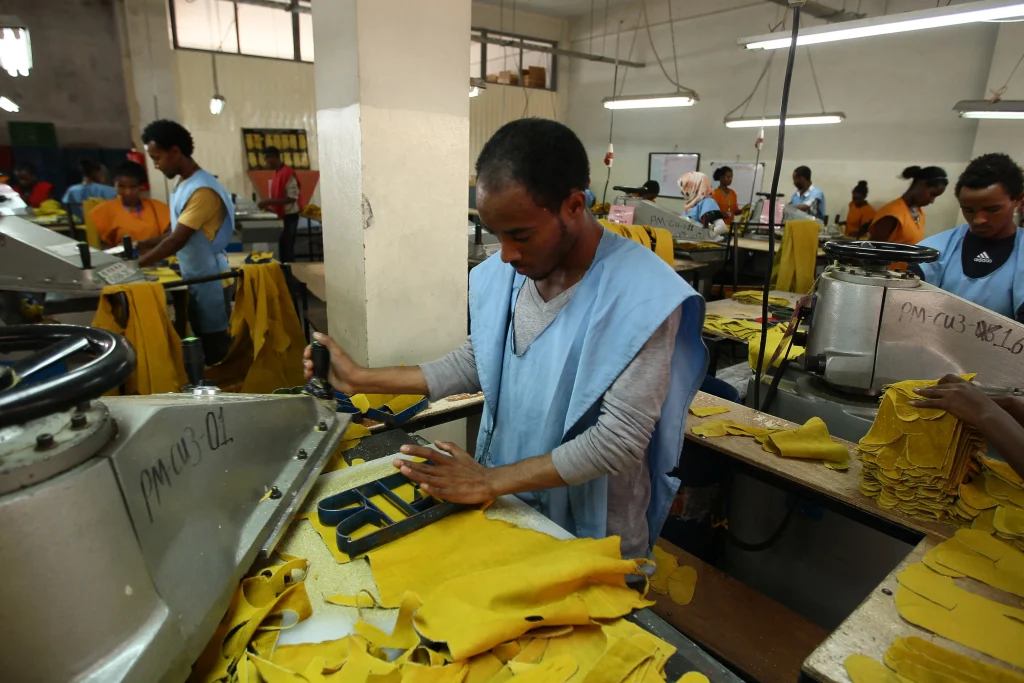
Manufacturing and Industry
Industrial parks support manufacturing activities. Common areas include textiles, garments, and food processing. Policies encourage export-oriented production.

Real Estate
Real Estate and Construction
Urban growth increases demand for housing and commercial buildings. Real estate development follows government regulations and zoning laws.
Energy and Renewables
Ethiopia invests in renewable energy projects. Hydropower, wind, and solar energy support long-term development goals.
Technology and Digital Services
Technology adoption is growing. Startups focus on payments, logistics, and agriculture-related services. The sector is still developing.
Foreign and Diaspora Investment
Foreign investors may operate under specific regulations. Some sectors offer incentives such as tax relief or customs exemptions.
Diaspora investors have access to special banking services. These include foreign currency accounts and investment facilitation programs.
Insurance and Savings

Insurance services
Insurance services cover health, life, property, and vehicles. Awareness is increasing, though adoption remains moderate. Savings products include:
- Regular savings accounts
- Fixed deposits
- Cooperative savings schemes
Saving helps individuals manage future expenses and emergencies.
Challenges in Ethiopia’s Financial Environment
Some common challenges include:
- Foreign currency limitations
- Inflation pressure
- High collateral requirements
- Limited financial literacy in some areas
Understanding these challenges helps users plan carefully.
Practical Financial Planning Tips
- Keep financial records organized
- Compare bank products before choosing
- Separate personal and business finances
- Understand loan terms before signing
- Use regulated institutions only
These steps support responsible financial management.
Future Outlook
Ethiopia continues to improve its financial infrastructure. Digital services, regulatory updates, and market reforms are ongoing. Progress is gradual and monitored by authorities.
Conclusion
Finance and business systems affect daily life in Ethiopia. Banking, loans, and investment opportunities continue to evolve. Understanding how these systems work helps individuals and businesses make informed choices.
This guide provides general information for learning purposes. Readers should consult qualified professionals for personal financial decisions.
10 Proven Ways to Earn Money Online
How Small Businesses in Ethiopia Can Access Fast Working Capital Loans
No comments
Hello